
Artificial Intelligence
Jun 02, 2026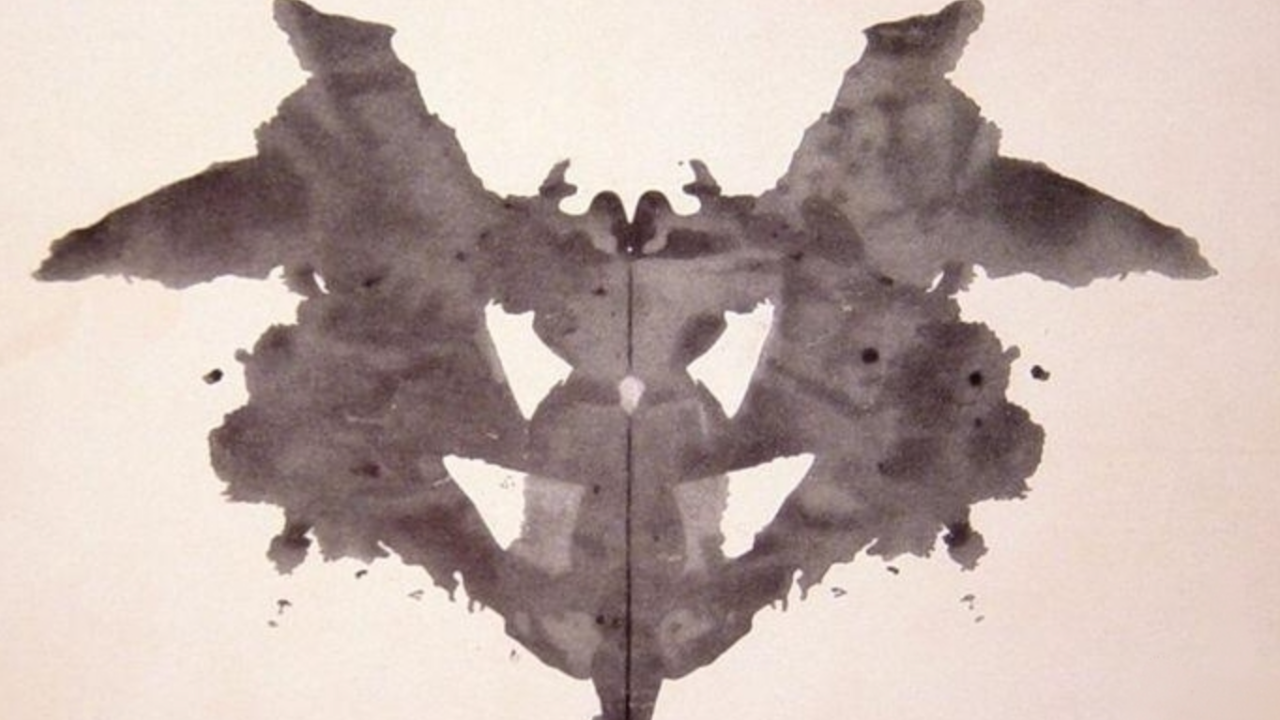
During my doctoral studies in clinical psychology, I was required to take a course in projective testing. I remember being excited to learn about the Rorschach Test and how to interpret responses to those mysterious inkblots. It felt like being initiated into a secret society and gaining access to otherwise esoteric and privileged information. That was then.
Today I asked an AI chatbot to interpret a Rorschach response for me and it did. I discovered the specialized knowledge I had worked hard to master in graduate school is now readily available to anyone at any time. It got me wondering: How is the easy access to clinical knowledge affecting relationships between clients and professionals? Do service users have less respect or need for clinicians because they have access to so much information? Is medical/clinical paternalism on the wane and are there shifts in the power dynamics in the consulting room? On the other hand, are clinicians more likely to partner with patients/clients these days because they come to appointments with improved health literacy?
Oliver Wendall Holmes Sr. famously advised medical school graduates in 1891:
“The patient has no more right to all the truth you know than he has to all the medicine in your saddlebag. He should only get so much as is good for him.”
It seems today our saddlebags are open, and information is being freed from paternalistic constraints. And yet in my opinion, these technological advances are underscoring the imperative of keeping the HUMAN in the human services. The wisdom of experience, learning from each other, becoming partners in the co-creation of health: these are some of the reasons a chatbot will not replace us.
Would love to hear your thoughts on these matters.